As the capital of Genoese Corsica, you need only immerse yourself in the traditions of the Bastia region to truly experience the authentic spirit of Corsica.
With a touch of *La Dolce Vita*, this multifaceted city reveals itself through its narrow streets, showcasing an authenticity unlike any other! From its Governors' Palace With its countless churches, its rich history is sure to captivate you. Every building has its secrets, every living space its stories, Every neighbourhood has its own history.
A land of traditions and culture, the Bastia region lives in tune with its beliefs and local crafts. Through its beliefs and legends, its cuisine and its vineyards, the region offers a truly immersive experience into the very heart of the Corsican soul.
Must-sees:
La St Nicholas Square : A lovely place to spend time, this is the place to be in Bastia and is the favourite spot for a stroll among many locals. People of all ages, whatever the season, can be seen strolling around this square, having a drink on a terrace, or simply taking it easy…
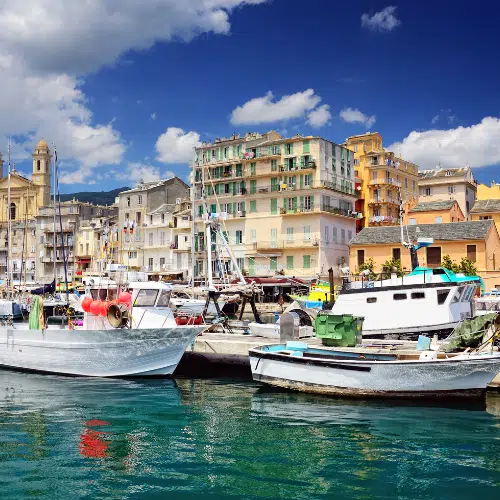
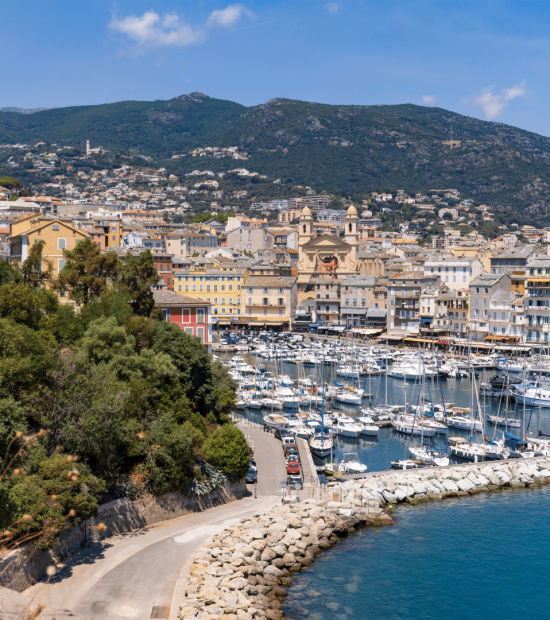
The Old Port : Bastia’s Old Port is a bustling hub where it’s well worth stopping to soak up its charm. An iconic landmark of the city, overlooked on one side by the imposing Church of Saint John the Baptist and on the other by the Genoese citadel, this area is best explored on foot to soak up the unique atmosphere and admire the beauty of its traditional architecture.
La citadel : Perched on its rocky outcrop, the citadel charms visitors with the beauty of its narrow streets, the colourful houses and its ‘Dolce Vita’ atmosphere! This part of the upper town is home to the Palais des Gouverneurs museum, which traces the history of the town and the region. A working-class neighbourhood since time immemorial, the area offers an exceptional view of the old port and the horizon.
SAINT-FLORENT AND THE NEBBIU
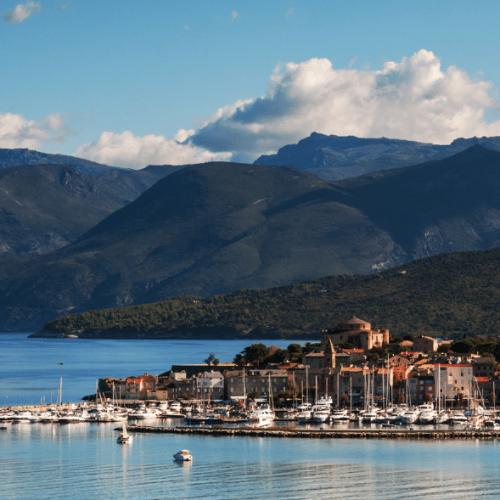
Thanks to its location in the heart of one of the Mediterranean’s most beautiful gulfs, Saint-Florent This ancient Roman city has now become a popular seaside resort during the summer season, without losing any of its authentic charm.
Getting to Saint-Florent is mainly for seaside tourism. The vast gulf of Saint-Florent is teeming with small coves, bays and beaches, some busier than others. It must be said that getting there by car isn’t always easy, but it is possible. With such a wide variety to choose from, you’re bound to find something to your liking. And for a sure bet, there are always the beaches of the Agriates Desert: Lotu, Saleccia and Ghignu – true gems of the region!
If you’d like to explore the area around this seaside resort, head to the Nebbiu !
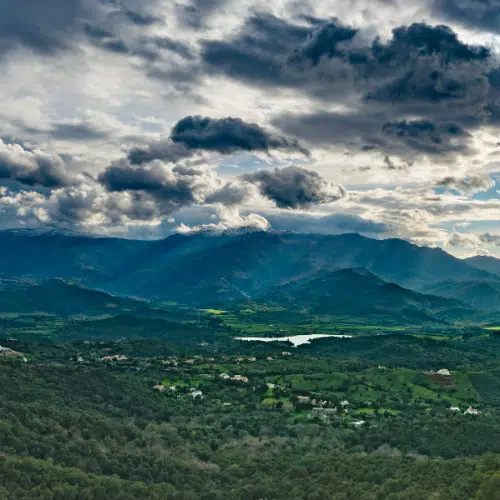
With both sea and mountains, the valley of the Nebbiu This region, steeped in Corsican history, is brimming with hidden gems to discover and has managed to remain vibrant and inhabited all year round.
CAPE CORSE
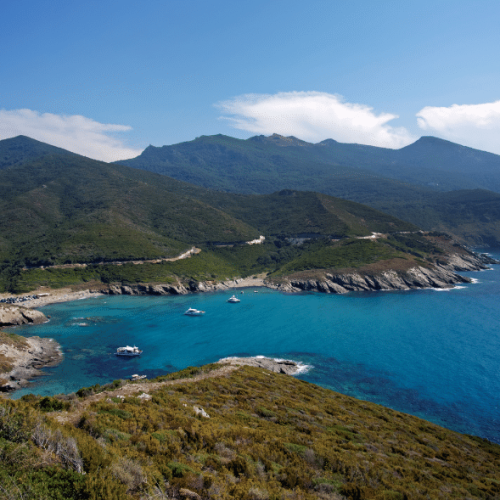
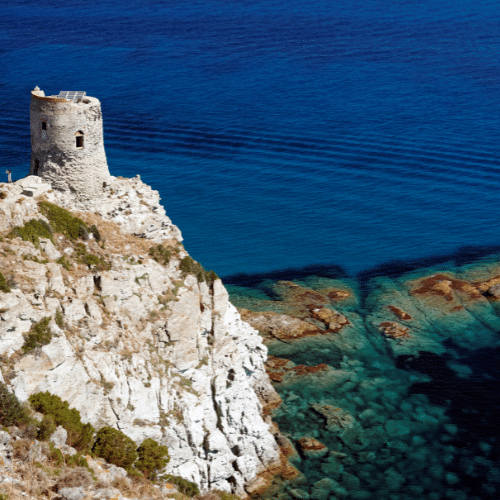
During your holiday, a short trip to Cap-Corse is highly recommended! It is said that this narrow peninsula is a microcosm of the Isle of Beauty, as it brings together all of Corsica’s attractions. Genoese towers, American-style houses, «maquis and sea» trails, wild beaches, hidden coves and exceptional villages. The region takes great pride in showcasing the hiking trails that criss-cross it, offering a genuine invitation to discover its wild nature and history.
Exploring Cape Town –Whether you explore Corsica by car, motorbike, bike or by sea, you’ll discover some real gems: from authentic fishing villages to charming hilltop villages, turquoise coves and the various towers that dot the route.
Every village you pass through is unique and offers magical scenery.
MARANA-GOLO
Marana-Golo, a region where nature and history come together, offers visitors a true haven of peace. Nestled between the sea and the mountains, this region is the ideal destination for those looking to recharge their batteries whilst discovering the treasures of Corsica. With its fine sandy beaches, lakes and archaeological sites, Marana-Golo reveals a different side to the Isle of Beauty.
Beneath an air of tranquillity and serenity, this region reveals itself through its varied landscapes and welcoming villages. From its historic monuments to its nature reserves, every place tells a unique story, and every spot invites you to explore.
Marana-Golo is now a popular destination thanks to its stunning natural surroundings and rich cultural heritage. Outdoor enthusiasts and history buffs will be in their element here.
Must-sees:
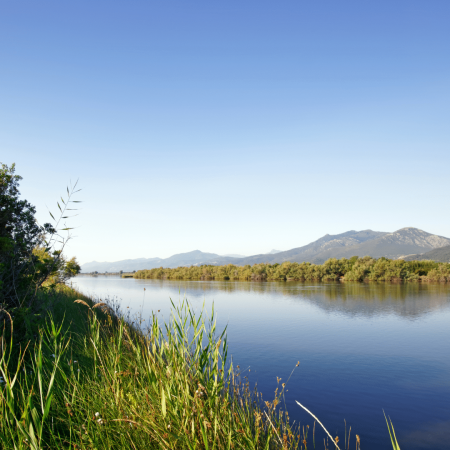
Biguglia Lake: As Corsica’s largest lake, it is a nature reserve of great ecological richness. It is home to a diverse range of flora and fauna, including numerous species of migratory birds. A walk around the lake offers a soothing and revitalising natural spectacle.
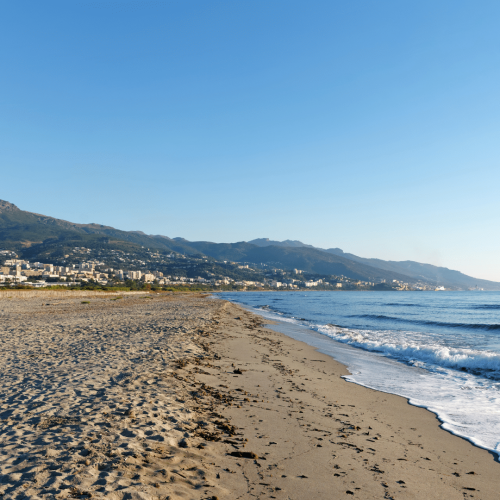
Marana Beach: Stretching for several kilometres, this fine sandy beach is the perfect place to relax and soak up the sun. The clear, shallow waters make it ideal for families and water sports enthusiasts.
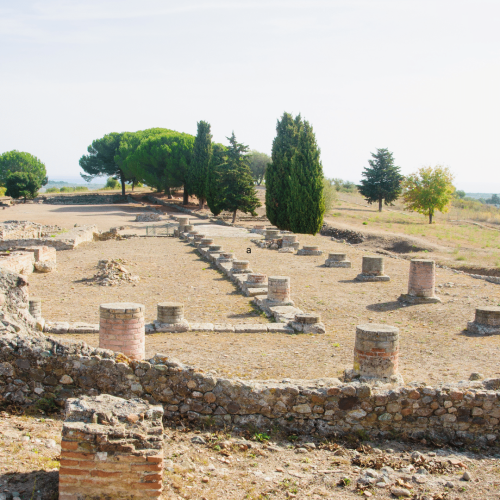
The archaeological site at Mariana: Once a Roman settlement, Mariana is a historic site of great significance. The remains of St John the Baptist’s Church and other archaeological ruins offer a fascinating journey through time, bearing witness to the region’s rich and complex history.
CORTE AND CENTRAL CORSICA
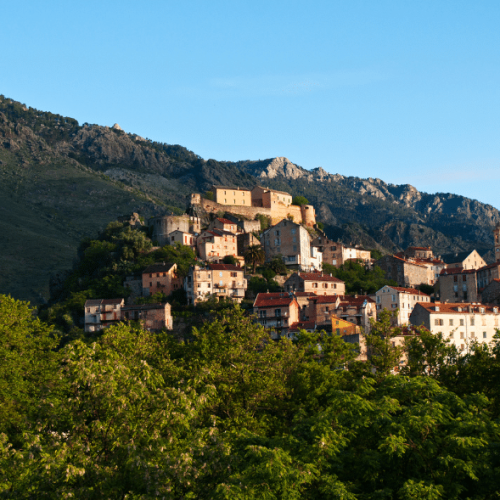
A historic university town, the «Cité Paoline» was the capital of independent Corsica in the mid-18th century; indeed, it was chosen by Pascal Paoli during the period of independence between 1755 and 1769. It still exudes a unique intensity, a mark of its former grandeur.
A strategic location in the centre of the island, Corte is home to the University of Corsica and is built around its citadel, which overlooks the valley from its «eagle’s nest».
Of the six Corsican citadels, the citadel of Corte is the only one inland; exploring it is like stepping into the heart of Corsica’s cultural heritage. It now houses the Museum of Corsica, the Regional Contemporary Art Collection, restaurants…
Whether you’re a nature lover, a keen hiker or simply looking for peace and quiet, Central Corsica is the perfect destination for a getaway in the heart of the countryside
LA CASTAGNICCIA
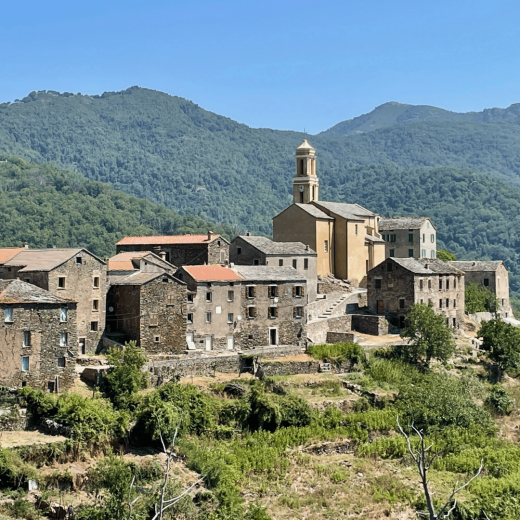
Castagniccia, an unspoilt and authentic region, is a real invitation to discover a more intimate and lesser-known side of Corsica. Known for its centuries-old chestnut trees, which gave the region its name, Castagniccia is renowned for its picturesque villages, lush green landscapes and centuries-old traditions.
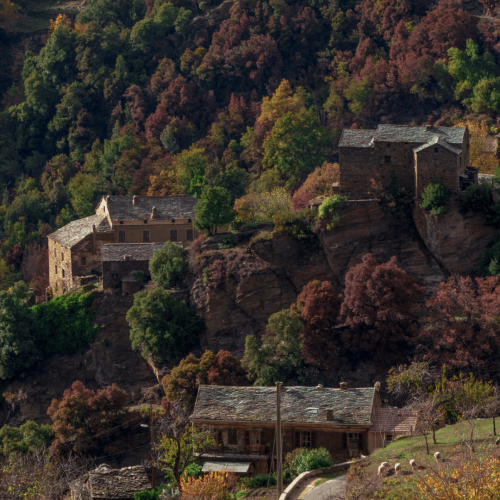
Beneath an air of calm and serenity, this region, with its many treasures, reveals itself through its hilltop hamlets, its fountains of pure water and its shaded footpaths. From its Baroque church to its stone houses, every building tells a story, and every village has its own soul.
Castagniccia is now a haven of peace where time seems to have stood still, offering visitors a journey out of time, in the heart of a bountiful and welcoming natural setting.
Morosaglia, vThe birthplace of Pascal Paoli, the father of the Corsican nation, is a place steeped in history. His birthplace, now a museum, traces the life and work of this great Corsican figure. The village also offers breathtaking views of the surrounding mountains.
LA PLAINE-ORIENTALE
La Plaine-Orientale, stretching along the east coast of Corsica, is a region renowned for its idyllic beaches, fertile vineyards and remarkable archaeological sites. This region offers the perfect blend of seaside relaxation, historical exploration and culinary delights.
With its peaceful, sun-drenched atmosphere, this region, with its varied and colourful landscapes, reveals itself through its long golden sandy beaches, picturesque villages and renowned vineyards. From its ancient sites to its nature reserves, every part of the Eastern Plain invites you to explore and relax.
La Plaine-Orientale is now an ideal destination for families, nature lovers and history buffs, offering a wealth of activities and places to explore.
Must-sees:
Aléria: Aléria, the ancient Roman capital of Corsica, is a major archaeological site. The remains of the ancient city, including the forum, the baths and the dwellings, offer a fascinating insight into the island’s Roman history. The Aléria Archaeological Museum, housed in Fort Matra, displays numerous artefacts discovered at the site.
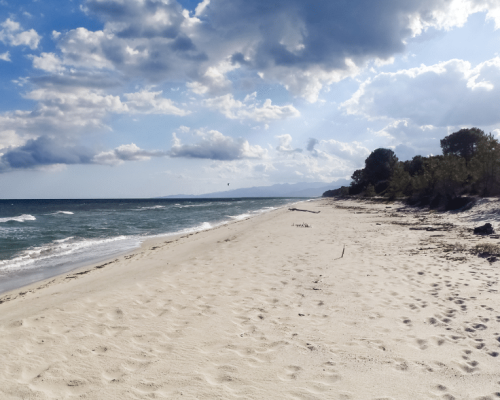
The beaches of Ghisonaccia: Stretching for miles, the beaches of Ghisonaccia are perfect for swimming, water sports, or simply relaxing in the sun. Their clear, shallow waters are ideal for families with children.
The vineyards: The region is famous for its wines, particularly its white and rosé wines. A tour of the local vineyards offers the chance to learn about the winemaking process and taste fine wines whilst enjoying the magnificent vineyard scenery
CALVI AND THE BALAGNE
Balagne is represented by Calvi and Ile Rousse but they are also all hilltop villages that make it up. Part seaside, part mountains. Something to please every visitor.
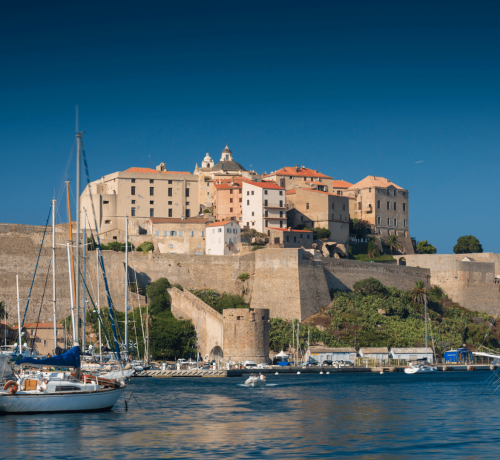
Calvi , a town sheltered by its citadel, has plenty to offer: a 5-kilometre-long beach, a lively harbour and marina where you can soak up the sun over a coffee or lunch and enjoy an aperitif at sunset, a pedestrianised street perfect for a spot of shopping, and the Citadel steeped in history. .
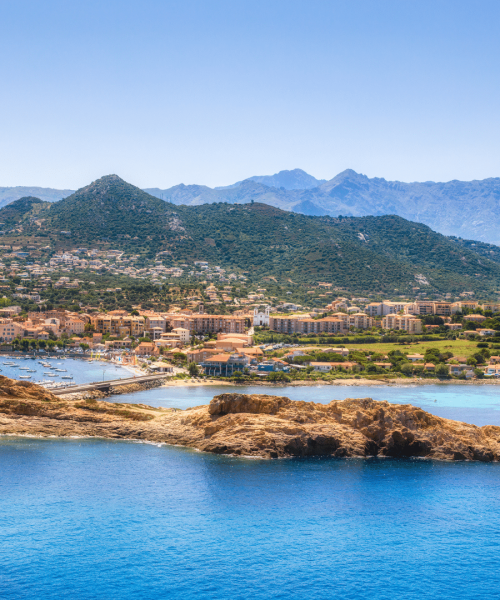
L’Ile-Rousse, founded in 1758 by Pascal Paoli, takes its name from the porphyry rocks of the island of La Pietra, which lie opposite it. A stop here is a must, to explore the white sandy beaches that line the coast and enjoy a coffee in Place Paoli, in the shade of century-old plane trees, right next to the covered market where you can sample Corsican specialities on the spot.
Must-sees:
The Citadel of Calvi : Steeped in history and cultural heritage, the Citadel of Calvi stands proudly above the town. Start by admiring it from the beach, then lose yourself in its narrow streets where delicatessens, shops selling Corsican designer goods, beauty and wellness products, and restaurant terraces await you. It is here that you will find the ruins of the house that once housed the Culombu family.
The Pietra Lighthouse in L’Ile-Rousse : dating from the 19th century, it offers a magnificent view across the whole of Balagne, from the inland countryside to the coast.
The Revelatta Peninsula: It offers a taste of the wild natural landscape so characteristic of the Balagne; the peninsula features rugged terrain and a rugged, rocky coastline, creating a unique landscape.
The villages: As soon as you move away from the coast, the Balagne becomes green and rural, and its villages perched on the hillsides offer the chance to enjoy lovely walks amidst peaceful countryside.
ERBALUNGA
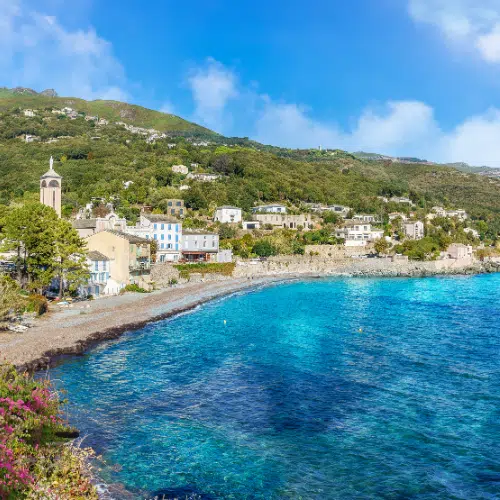
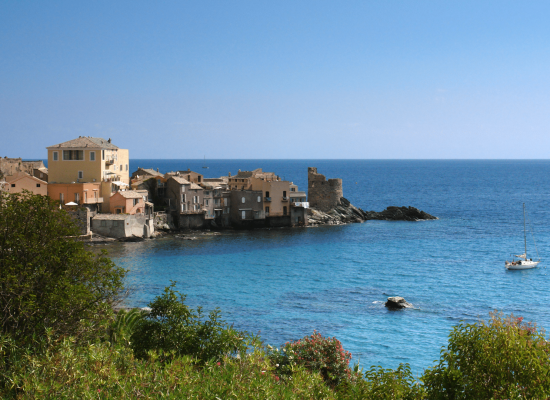
Erbalunga, the jewel of Cap Corse, is a picturesque and charming fishing village that captivates visitors with its authenticity and enchanting setting. Situated on a small peninsula, this village offers a unique blend of natural beauty, historical heritage and Mediterranean atmosphere.
With an air of tranquillity and charm, Erbalunga reveals itself through its cobbled streets, stone houses and picturesque harbour. Every street corner, every architectural detail, every view of the sea tells a unique story, inviting visitors to explore the town in depth.
Erbalunga is now a popular destination thanks to its picturesque beauty, serene atmosphere and wide range of opportunities for relaxation and exploration.
Must-sees:
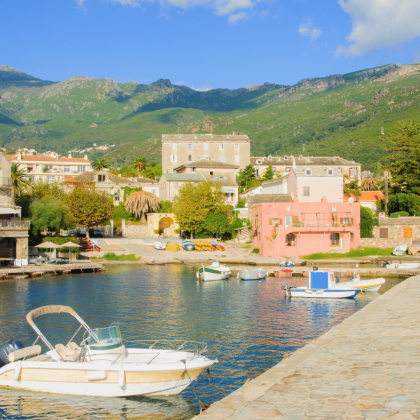
The port: At the heart of the village, this picturesque little harbour is surrounded by stone houses and narrow alleyways. The colourful fishing boats and calm waters create an atmosphere of serenity and charm. It is the perfect spot for a stroll or to sit on a terrace and enjoy the view.
The Genoese Tower: Overlooking the harbour, this 16th-century watchtower is an iconic symbol of Erbalunga. It offers breathtaking views of the village and the sea. The tower serves as a reminder of the strategic importance of this location throughout the centuries.
The alleyways: Strolling through the village’s cobbled streets is an experience in itself. The stone houses, flower-filled gardens and small, shaded squares create an atmosphere of calm and serenity, inviting you to explore and reflect.
NONZA
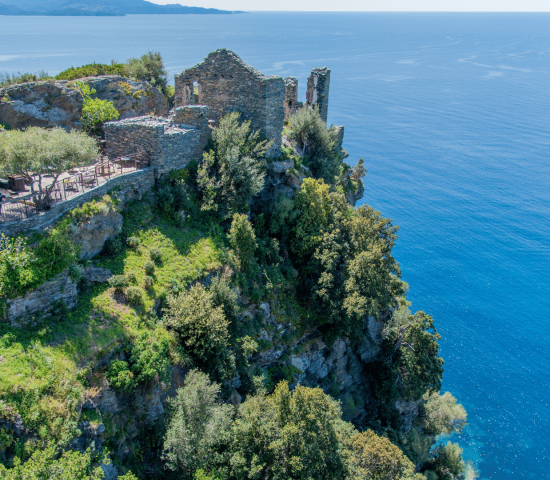
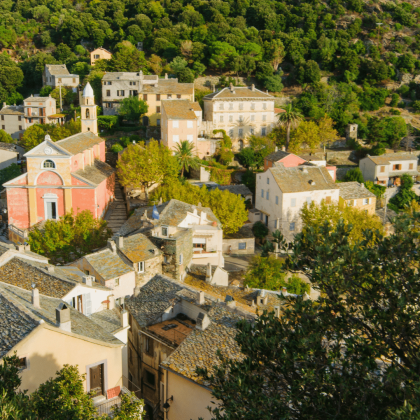
Nonza, perched on a sheer cliff on the west coast of Cap Corse, is a village that surprises and enchants with its untamed beauty and picturesque charm. This iconic village, with its stone houses and narrow streets, offers breathtaking views of the Mediterranean Sea and the surrounding countryside.
With an air of mystery and romance, Nonza reveals itself through its steep, narrow streets, spectacular views and timeless atmosphere. Every street corner, every vista, every stone tells a unique story, inviting visitors to discover a truly exceptional place.
Nonza is now a must-visit destination for lovers of spectacular scenery, history buffs and those looking for a getaway off the beaten track in Corsica.
Must-sees:
The Paoline Tower: Perched high on a rocky outcrop overlooking the village, this 16th-century Genoese tower offers exceptional views of the sea and the surrounding mountains. It is a must-see attraction that gives visitors an insight into Nonza’s strategic importance throughout the centuries.
The black pebble beach: Just below the village, this unique beach of black pebbles offers a striking contrast to the blue of the sea. It is the perfect place to relax, go for a swim or simply admire the view from the village.
The alleyways: Strolling through the cobbled streets of Nonza is an experience in itself. The stone houses, flower-filled gardens and small, shaded squares create an atmosphere of calm and serenity, inviting you to explore and reflect